
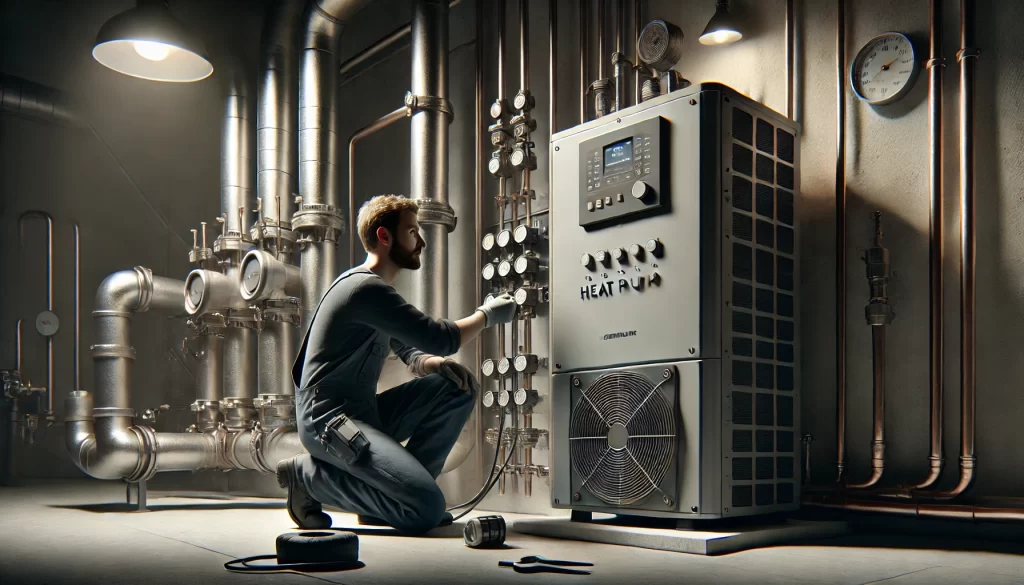
Throughout the cold winter months, furnaces provide much-needed warmth to homes, especially in the cities like Toronto with freezing temperatures. A furnace that is installed right and kept in proper shape is efficient, reliable, and cost-effective. This guide will give you all the information about furnace installation, repair, and maintenance, as well as the roles furnaces play in cold climates like Toronto.
Furnace Installation: What You Need to Know
Choosing the Right Furnace
Before installing a furnace, homeowners must consider several factors to ensure they get the best heating solution for their home. Some of the key factors include:
- Fuel Type: The most common furnace options are natural gas, propane, oil, and electric furnaces. In Toronto, natural gas furnaces are the most preferred due to their cost-effectiveness and efficiency.
- Efficiency Rating: A furnace’s Annual Fuel Utilization Efficiency (AFUE) rating indicates how efficient it is. Better energy efficiency is indicated by a higher AFUE rating. It is advisable to purchase a furnace with at least 90% AFUE to save on energy costs.
- Size and Heating Capacity: A furnace that is too small will struggle to heat your home, while an oversized furnace will consume more energy than necessary. A professional HVAC contractor can calculate the right furnace size based on the square footage of your home.
- Brand and Warranty: Investing in a reliable brand with a long-term warranty can help avoid frequent breakdowns and costly repairs.
Steps in the Furnace Installation Process
- Assessment and Load Calculation: An HVAC technician evaluates your home’s heating needs and determines the right furnace size and type.
- Removing the Old Furnace: If replacing an old unit, the technician safely removes the existing furnace.
- Ductwork and Ventilation Setup: Proper ductwork is essential for distributing heat evenly throughout the home.
- Gas Line and Electrical Connections: The furnace is connected to the appropriate power and fuel sources.
- Testing and Final Adjustments: The technician tests the furnace to ensure it runs safely and efficiently.
- Thermostat Installation and Calibration: The thermostat is set up to regulate heating effectively.
Benefits of Professional Furnace Installation
The complicated procedure of installing a furnace is best left to a qualified HVAC (heating, ventilation, and air conditioning) specialist. Usually, the following steps are involved in the installation process:
- Assessment: The HVAC technician will assess your home’s heating needs, including the size of your home, insulation levels, and existing ductwork.
- Removal of Old Furnace: If you are replacing an existing furnace, the old unit will be removed, and the area will be prepared for the new installation.
- Installation of New Furnace: The new furnace will be installed, including the connection of fuel lines, electrical wiring, and ductwork. The technician will also install a new thermostat if necessary.
- Testing and Calibration: Once the furnace is installed, the technician will test the system to ensure it is functioning correctly. This includes checking for proper airflow, temperature output, and safety features.
- Final Inspection: A final inspection may be required to ensure the installation meets local building codes and safety standards.
Cost of Installation
The cost of furnace installation can vary widely depending on the type of furnace, the complexity of the installation, and regional labor rates. On average, homeowners can expect to pay between 2,500 and 7,500 for a new furnace installation. High-efficiency models and complex installations may cost more.
Furnace Repair: Common Issues and Troubleshooting Tips
Even the best furnaces can experience problems over time. Here are some of the most common furnace issues and their potential solutions:
1. Furnace Not Producing Heat
- Possible Causes: Thermostat malfunction, dirty air filters, pilot light issues, or electrical problems.
- Solutions: Check thermostat settings, replace filters, inspect the pilot light, and reset the circuit breaker.
2. Strange Noises
- Possible Causes: Loose components, dirty burners, or worn-out blower belts.
- Solutions: Tighten loose components, clean burners, and replace worn-out parts.
3. Short Cycling (Frequent Turning On and Off)
- Possible Causes: Overheating, clogged filters, or incorrect furnace sizing.
- Solutions: Clean or replace air filters, ensure proper ventilation, and consult a technician for sizing concerns.
4. Pilot Light or Ignition Issues
- Possible Causes: Faulty thermocouple, gas supply issues, or a dirty flame sensor.
- Solutions: Inspect and replace faulty components, clean the flame sensor, and check the gas supply.
5. Weak or No Airflow
- Possible Causes: Blower motor issues, clogged air filters, or blocked ducts.
- Solutions: Replace filters, inspect ducts, and service the blower motor.
When to Call a Professional
If your furnace:
- Emits a burning smell or gas odor
- Produces excessive noise
- Fails to turn on despite troubleshooting
- Causes high energy bills due to inefficiency
It is best to seek professional repair services to avoid safety hazards.
Cost of Repairs
The cost of furnace repairs can vary depending on the nature of the problem and the parts required. On average, homeowners can expect to pay between 100 and 1,000 for furnace repairs. Regular maintenance can help prevent costly repairs by identifying and addressing potential issues early.
Furnace Maintenance: Keeping Your Heating System in Top Condition
Regular maintenance is essential for ensuring the longevity and efficiency of your furnace. A well-maintained furnace will operate more efficiently, reducing energy costs and minimizing the risk of breakdowns. Regular maintenance can also improve indoor air quality by ensuring that the furnace and ductwork are clean and free of debris. Here’s a detailed maintenance checklist:
Routine Furnace Maintenance Checklist
In addition to DIY maintenance, it is recommended to have your furnace professionally serviced at least once a year, ideally before the start of the heating season. A professional HVAC technician will perform a thorough inspection and maintenance of your furnace, including:
- Cleaning and Inspecting Components: The technician will clean and inspect the burner, heat exchanger, blower motor, and other components to ensure they are in good working condition.
- Checking for Gas Leaks: For gas furnaces, the technician will check for gas leaks and ensure that the gas pressure is set correctly.
- Testing Safety Features: The technician will test the furnace’s safety features, including the limit switch and flame sensor, to ensure they are functioning correctly.
- Lubricating Moving Parts: The technician will lubricate any moving parts to reduce friction and wear.
- Checking Electrical Connections: The technician will inspect and tighten electrical connections to ensure safe and reliable operation.
Benefits of Regular Maintenance
- Improves energy efficiency and lowers heating costs
- Reduces the risk of unexpected breakdowns
- Ensures a longer lifespan for the furnace
- Improves indoor air quality by lowering allergens and dust.
- Ensures safe operation and prevents gas leaks
Cost of Maintenance
The cost of professional furnace maintenance typically ranges from 100 to 200 per visit. While this may seem like an additional expense, regular maintenance can save you money in the long run by preventing costly repairs and improving energy efficiency.
Advantages of Furnaces in Cold Climates Like Toronto
Toronto experiences harsh winters, making a furnace an essential heating solution. Here are the key benefits:
1. Reliable Heating Performance
Furnaces provide strong and consistent heating, even during extreme cold spells.
2. Cost-Effective Heating
- Natural gas furnaces are cheaper to operate than electric heating systems.
- High-efficiency models help reduce overall energy consumption.
3. Quick and Even Heat Distribution
Furnaces use forced air systems to distribute heat quickly and evenly across all rooms.
4. Smart Home Integration
Many modern furnaces can be controlled using smart thermostats, allowing homeowners to optimize heating schedules and reduce energy waste.
5. Improved Indoor Air Quality
Furnaces with built-in filtration systems help reduce allergens, dust, and pollutants in the air.
6. Flexible Fuel Options
Homeowners can choose from gas, oil, electric, or propane furnaces depending on their needs and budget.
7. Increased Property Value
A well-maintained and energy-efficient furnace adds value to a home, making it more attractive to buyers.
8. Safety Features in Modern Furnaces
Newer models come with safety shut-offs, automatic pilot lights, and carbon monoxide detection systems to ensure safe operation.
9. Compatibility with Alternative Heating Sources
Furnaces can be combined with heat pumps or solar heating systems for added efficiency and environmental benefits.
10. Long Lifespan When Properly Maintained
With regular maintenance, furnaces can last 15-20 years, making them a solid long-term investment.
Conclusion
Furnaces are an essential component of modern living, particularly in cold climates like Toronto. They provide a reliable, efficient, and consistent source of heat, ensuring that homes remain warm and comfortable even during the harshest winters. Proper installation, regular maintenance, and timely repairs are crucial for ensuring the longevity and efficiency of your furnace. By understanding the advantages of furnaces and taking the necessary steps to care for your system, you can enjoy a warm and comfortable home for many years to come.
Whether you are considering a new furnace installation, need repairs for an existing system, or simply want to ensure your furnace is in top condition, it is important to work with a licensed HVAC professional. They can provide expert advice, quality service, and peace of mind, knowing that your furnace is operating safely and efficiently.
In conclusion, furnaces offer numerous advantages, particularly in cold weather, making them an excellent choice for homeowners in Toronto and other cold climates. By investing in a high-quality furnace and committing to regular maintenance, you can enjoy a warm, comfortable, and energy-efficient home throughout the winter months.