
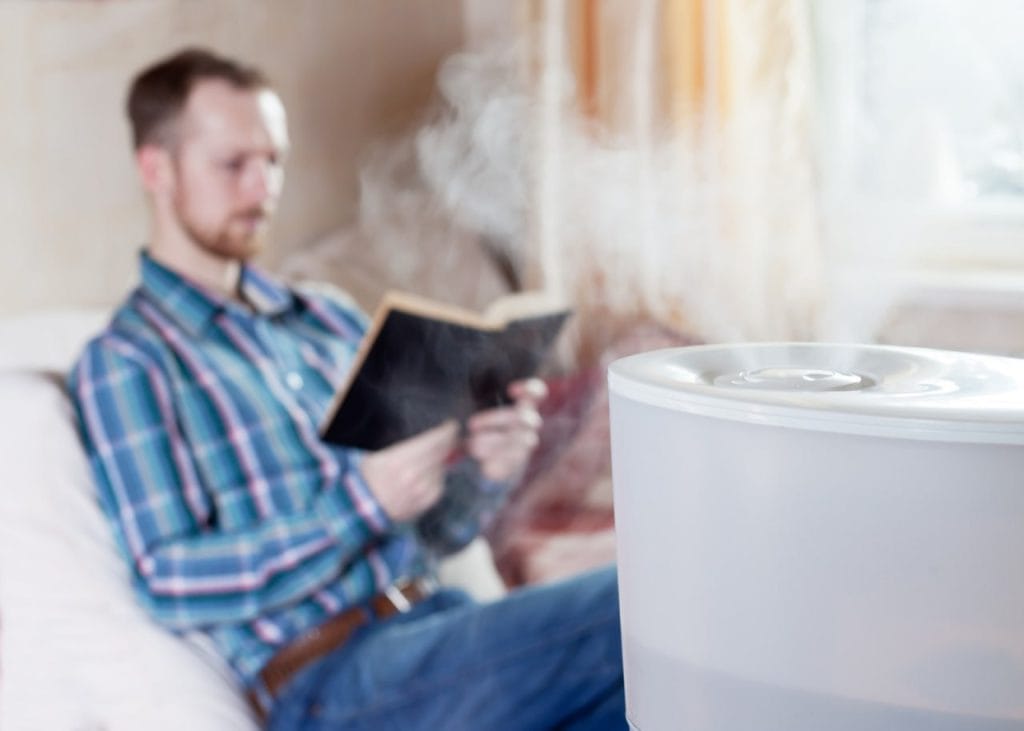
Maintaining optimal indoor air quality is crucial for health, comfort, and energy efficiency, especially in modern homes and buildings that are tightly sealed to conserve energy. Two essential tools in achieving and regulating indoor air conditions are Heat Recovery Ventilators (HRVs) and humidifiers. While both appliances play a significant role in air quality management, they serve distinct purposes and are suited to different conditions. Understanding when and how to use each can make a substantial difference in your home environment and well-being.
This article will explore the functions of HRVs and humidifiers, outline their benefits, and explain when to use them — either independently or together — to maintain a balanced, comfortable, and healthy indoor atmosphere.
What is an HRV (Heat Recovery Ventilator)?
An HRV is a mechanical ventilation system designed to improve indoor air quality while preserving energy. It functions by removing damp, stale house air and substituting it with clean outdoor air. However, the HRV system uses a heat exchanger core to transfer heat from the outgoing air to the entering air prior to the air being exchanged. This process preheats (or precools) the fresh air entering your home, reducing the load on your heating or cooling systems and increasing energy efficiency.
Key Functions of an HRV:
- Removes excess indoor humidity
- Provides continuous fresh air exchange
- Reduces indoor air pollutants such as dust, allergens, and VOCs (volatile organic compounds)
- Conserves energy by recovering heat from exhaust air
What is a Humidifier?
An apparatus that adds moisture to indoor air is called a humidifier. This is particularly crucial during the colder months or in arid regions, when heating systems can drastically reduce interior humidity levels, causing discomfort and possibly health problems.
Key Functions of a Humidifier:
- Increases indoor humidity levels
- lessens skin, throat, and nasal passage dryness
- Helps prevent respiratory issues and alleviate allergy symptoms
- Prevents the drying out and cracking of timber flooring, furniture, and musical instruments.
Why Indoor Humidity Levels Matter
Relative humidity (RH) refers to the amount of moisture in the air compared to what the air can hold at a particular temperature. The recommended indoor RH level is generally between 30% and 50%. Maintaining humidity within this range is essential for several reasons:
- Too low humidity (below 30%) can cause dry skin, irritation in the eyes, nose, and throat, static electricity, increased susceptibility to colds and respiratory infections, and damage to wood and electronics.
- Too high humidity (above 50-60%) creates an environment conducive to mold growth, dust mites, and bacteria, leading to poor indoor air quality and potential health issues.
Both HRVs and humidifiers play critical roles in managing and maintaining these ideal humidity levels.
When to Use an HRV
An HRV system is particularly beneficial when:
1. Your Home is Airtight and Well-Insulated
Modern homes are built to be energy-efficient with minimal air leakage, which limits natural ventilation. This can lead to a build-up of indoor air pollutants and moisture. An HRV continuously exchanges indoor air with filtered outdoor air while recovering heat, ensuring a fresh and healthy indoor environment without significant energy loss.
2. Indoor Air Quality is a Concern
If you notice persistent odors, excessive dust, or stale air in your home, it may be time to consider using an HRV. The system helps eliminate indoor pollutants and allergens, providing cleaner air for you and your family.
3. High Indoor Humidity Levels in Cold Weather
During winter, daily activities like cooking, bathing, and laundry can generate excess moisture, leading to condensation on windows and the risk of mold growth. An HRV removes this moist air and replaces it with drier outdoor air while retaining heat, helping maintain a balanced indoor humidity level.
4. Occupant Health Needs Demand Better Ventilation
Homes with residents suffering from asthma, allergies, or respiratory conditions greatly benefit from an HRV, as it helps reduce airborne irritants, allergens, and pollutants.
5. You’re Pursuing Energy Efficiency Goals
Since HRVs recover up to 70-90% of the heat from outgoing air, they can significantly reduce your heating and cooling bills compared to simply opening windows for ventilation.
When to Use a Humidifier
A humidifier becomes essential in different situations, often complementary to an HRV:
1. During the Heating Season
Heating systems that run continually in cold climates have a tendency to make interior air too dry. This can lead to discomfort, dry skin, chapped lips, and irritation in the respiratory tract. A humidifier helps restore moisture levels to a comfortable range.
2. In Dry, Arid Climates
A humidifier is beneficial not only in the winter but also throughout the year for homes in areas with naturally low humidity. Maintaining balanced humidity prevents chronic dryness and associated health issues.
3. When You Notice Signs of Dry Air
Indicators such as dry skin, irritated sinuses, bloody noses, static electricity, and damage to wooden furniture or flooring suggest that indoor air is too dry. A humidifier can quickly improve these conditions.
4. To Protect Household Items
Low humidity can damage wood furniture, musical instruments, books, and artwork by causing them to dry out and crack. A humidifier helps protect these items by maintaining a stable moisture level in the air.
5. For Infants and Elderly Residents
Young children and elderly individuals are more susceptible to respiratory irritation and infections caused by dry air. A humidifier ensures a safer, more comfortable environment for these vulnerable groups.
Can You Use an HRV and Humidifier Together?
Yes — in fact, combining an HRV and a humidifier can be the ideal solution for achieving optimal indoor air quality. While an HRV helps ventilate your home and manage excess humidity, a humidifier ensures air doesn’t become too dry, especially in colder months when HRVs bring in naturally dry outdoor air.
How to Balance Their Use:
- Monitor Indoor Humidity: Use a hygrometer to track indoor RH levels. Adjust the HRV and humidifier settings to maintain a balance between 30% and 50%.
- Seasonal Adjustments: Increase HRV operation when indoor humidity is too high (above 50-60%) and rely more on your humidifier when levels drop below 30%.
- Integrated Systems: Some advanced HVAC systems integrate HRVs and whole-house humidifiers with smart controls for automatic adjustments, simplifying the process of maintaining balanced indoor air.
Potential Conflicts and Solutions
While HRVs and humidifiers generally work well together, certain issues can arise if they’re not balanced properly:
1. Over-Humidification
If a humidifier operates continuously without consideration for ventilation rates, it can lead to excessive indoor humidity, encouraging mold growth. Solution: Use a programmable humidifier or one with a built-in hygrometer to avoid over-humidification.
2. Increased Dryness in Winter
HRVs can contribute to indoor dryness during cold months by bringing in very dry outdoor air. Solution: Operate the humidifier more frequently or adjust HRV settings to reduce ventilation rates when outdoor humidity is extremely low.
3. Energy Consumption
Running both appliances without regulation can increase energy use. Solution: Invest in energy-efficient models and smart control systems that adjust based on real-time indoor air quality readings.
Maintenance and Care
Proper maintenance of both HRVs and humidifiers is essential for their effectiveness and longevity.
HRV Maintenance Tips:
- Clean or replace air filters every 3-6 months.
- Clean the heat exchange core annually.
- Check and clean exterior air intakes and exhaust vents.
- Inspect and clean ductwork periodically.
Humidifier Maintenance Tips:
- Clean the water tank and base regularly to prevent mold and bacterial growth.
- Use distilled or demineralized water to reduce mineral buildup.
- Replace filters or wicks as recommended by the manufacturer.
- Regularly monitor indoor humidity levels.
Conclusion
Both HRVs and humidifiers are valuable tools for creating a healthy, comfortable, and energy-efficient home environment. Understanding when and how to use each — and when to use them together — ensures that you maintain optimal indoor air quality throughout the year.
- Use an HRV for continuous fresh air exchange, moisture control, and energy-efficient ventilation, especially in airtight modern homes.
- Use a humidifier when indoor air becomes too dry, particularly during winter or in arid climates, to prevent discomfort and health issues.
By carefully monitoring indoor humidity levels and adjusting the operation of both systems, you can enjoy a balanced, comfortable living space that supports both your health and home.