
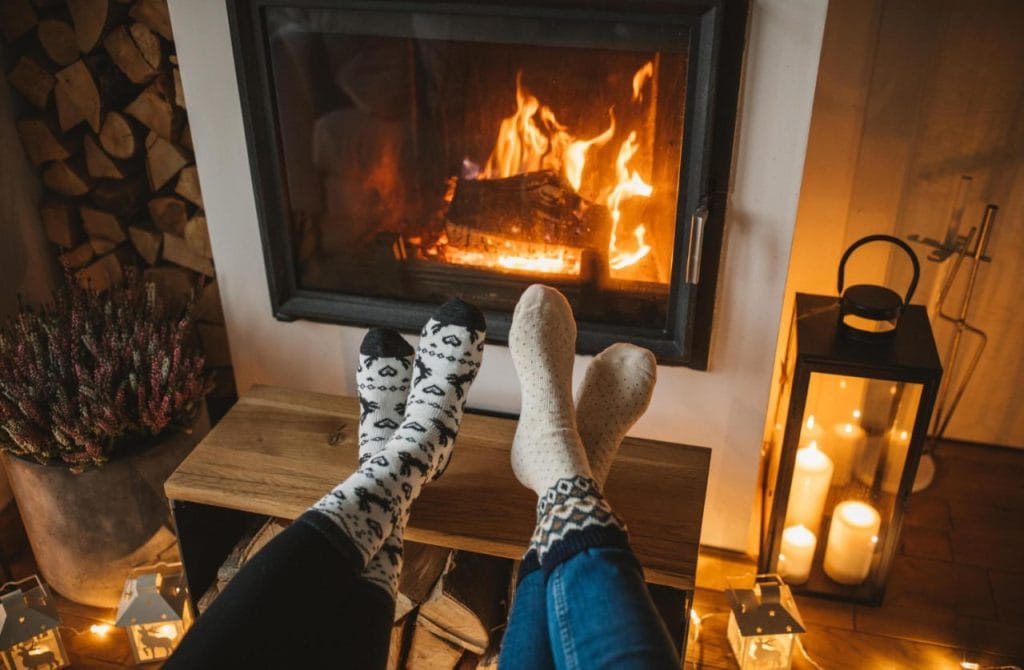
The fireplace has served as a fundamental element of human civilization for countless generations, fulfilling essential roles in survival, comfort, and social connection. Far more than just a source of heat, it has provided light in dark dwellings, a means for cooking food, and a natural gathering point that fostered family bonds and community storytelling. This enduring feature of domestic architecture has witnessed remarkable transformations while maintaining its central place in our homes and hearts.
From the earliest primitive fire pits of prehistoric times to today’s sophisticated electric models, fireplaces have undergone dramatic changes in design, materials, and functionality. Ancient humans first contained flames in simple stone circles, while medieval Europeans developed chimney technology that revolutionized home heating. The Industrial Revolution introduced mass-produced cast iron models, and the 20th century brought gas and electric alternatives that redefined convenience. Each era’s innovations reflected both technological progress and shifting cultural values surrounding home life.
This article will trace the fascinating evolution of fireplaces across different civilizations and historical periods. We’ll explore how architectural styles, fuel sources, and heating technologies transformed the humble hearth into the diverse range of fireplace designs we know today. By examining this journey from ancient times to the present, we gain insight into how human ingenuity has continuously reinvented one of our most enduring domestic traditions while preserving its essential role in creating warmth, comfort, and connection.
1. Ancient Beginnings: The First Fire Pits
Prehistoric Fire Use
The earliest form of a “fireplace” was nothing more than a simple fire pit. Archaeological evidence suggests that humans have been using fire for at least 400,000 years, with Neanderthals and early Homo sapiens controlling flames for cooking, warmth, and protection.
These early fire pits were often located in the center of caves or rudimentary shelters, allowing smoke to escape through openings in the roof. There was no chimney, so smoke filled the living space, leading to respiratory issues over time.
Ancient Civilizations: Improved Fire Management
By 3000 BCE, civilizations such as the Egyptians, Greeks, and Romans began refining fire containment.
- Egyptians used raised hearths in homes and temples, often placing fires in metal braziers.
- Greeks developed more structured hearths, with the central hearth (“eschara”) serving as a sacred and practical space.
- Romans advanced heating technology with the hypocaust system, an underfloor heating method used in villas and public baths.
Despite these innovations, most homes still relied on open fires with poor smoke ventilation.
2. The Medieval Hearth: A Social and Practical Center
The Great Hall and Central Hearth
During the Middle Ages (5th–15th century), the fireplace became the heart of the home, especially in Northern Europe. In castles and manor houses, the great hall featured a massive central hearth where families and servants gathered for meals and warmth.
However, these early medieval fireplaces had significant drawbacks:
- Smoke escaped through a louver (a small opening in the roof).
- Large amounts of heat were lost.
- The risk of house fires was high due to sparks and embers.
The Invention of the Chimney (12th Century)
A major breakthrough came in the 12th century with the introduction of the chimney. Initially, chimneys were simple flues built into thick stone walls, allowing smoke to vent outside rather than filling the room.
- Only the wealthy could purchase early chimneys because to their high cost.
- By the 14th century, chimney technology spread to middle-class homes in towns.
- Fireplaces moved from the center of the room to wall-mounted hearths, saving space and improving efficiency.
3. The Renaissance and Georgian Era: Fireplaces as Status Symbols
Ornate Fireplace Designs (16th–18th Century)
As architecture advanced during the Renaissance, fireplaces became decorative masterpieces. Wealthy families commissioned elaborate mantelpieces carved from marble or wood, often featuring intricate sculptures and family crests.
- Italian Renaissance fireplaces were grand and symmetrical.
- French Baroque designs included ornate detailing with gold leaf and mirrors above the hearth.
- Georgian-era fireplaces (18th century) emphasized classical proportions, with clean lines and elegant surrounds.
The Rise of the Stove (17th Century Onward)
While open fireplaces remained popular, Benjamin Franklin’s invention of the Franklin Stove (1742) marked a shift toward more efficient heating. The stove:
- Used less wood.
- Radiated heat more effectively.
- Reduced smoke inside the home.
Meanwhile, in Germany and Scandinavia, tile stoves (kachelöfen) became common, using ceramic tiles to retain heat longer.
4. The Industrial Revolution: Mass Production and Innovation
Cast Iron Fireplaces (19th Century)
The Industrial Revolution brought mass production, making fireplaces more affordable. Because of their longevity and capacity to retain heat, cast iron fireplaces gained popularity.
- Coal replaced wood as the primary fuel in urban areas.
- Ventilation improved with better chimney designs.
- Decorative inserts allowed homeowners to customize their fireplaces with tiles and metalwork.
The Advent of Central Heating (Late 19th Century)
By the late 1800s, central heating systems began replacing fireplaces as the primary heat source in wealthier homes. However, fireplaces remained a symbol of comfort and luxury, even if they were no longer essential for survival.
5. The 20th Century: Gas and Electric Fireplaces
The Shift to Gas (Early 1900s)
With the rise of natural gas pipelines, gas fireplaces became a convenient alternative to wood-burning hearths. Benefits included:
- No need for chopping wood.
- Instant ignition and adjustable flames.
- Cleaner burning with less soot.
Electric Fireplaces (Mid-20th Century Onward)
In the 1950s and 60s, electric fireplaces emerged, offering:
- Flame effects without real fire.
- Portability (no chimney required).
- Energy efficiency.
While purists argued that electric fireplaces lacked authenticity, they became popular in apartments and modern homes where traditional fireplaces were impractical.
6. Modern Fireplaces: A Blend of Tradition and Technology
Today’s fireplaces beautifully merge centuries-old traditions with cutting-edge innovation, offering homeowners the perfect balance of nostalgic charm and contemporary convenience. While the crackling warmth of a wood-burning fireplace still evokes timeless comfort, modern versions now incorporate advanced materials, eco-friendly fuels, and smart technology. From sleek ethanol burners that require no chimney to ultra-realistic electric flame effects controlled by smartphone apps, today’s hearth options cater to diverse lifestyles while maintaining the fireplace’s age-old role as the heart of the home.
The evolution continues with designs that blend seamlessly into modern architecture, including minimalist linear fireplaces and dramatic double-sided installations. Environmentally conscious options like EPA-certified wood stoves and ventless gas systems demonstrate how tradition adapts to contemporary concerns about sustainability and efficiency. Yet despite all these technological advancements, the fundamental appeal remains unchanged – the mesmerizing dance of flames continues to draw people together, proving that even in our digital age, the primal allure of a fire’s glow endures as strongly as ever.
Ethanol and Eco-Friendly Designs (21st Century)
Today, fireplaces continue to evolve with eco-conscious designs:
- Ethanol fireplaces burn clean biofuel, requiring no chimney.
- High-efficiency wood stoves meet strict emissions standards.
- Smart fireplaces can be controlled via smartphone apps.
The Fireplace as a Design Statement
While many homes now rely on central heating, fireplaces remain a desired architectural feature, often serving as a focal point in living rooms. Modern designs include:
- Minimalist linear fireplaces.
- Double-sided fireplaces for open floor plans.
- Outdoor fire pits and fireplaces for entertainment spaces.
Conclusion: The Enduring Legacy of the Fireplace
From ancient fire pits to high-tech electric flames, the fireplace has undergone remarkable transformations. While its role as a primary heat source has diminished, its cultural and emotional significance endures. The fireplace remains a symbol of home, comfort, and tradition, proving that even in the modern age, humans still crave the primal allure of a flickering flame.