
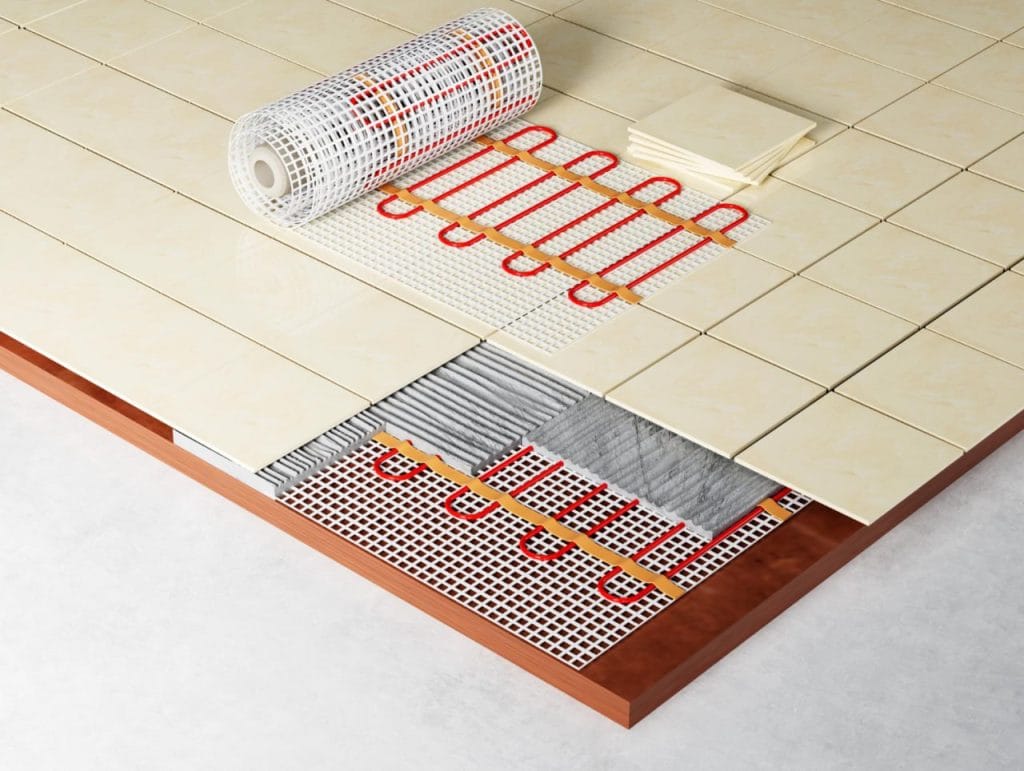
When it comes to creating a warm, inviting, and energy-efficient home, in-floor heating systems have become a game-changing innovation in modern residential design. Particularly in colder climates like Toronto, Canada, where long, harsh winters are a yearly reality, homeowners are seeking heating solutions that combine efficiency, comfort, and cost-effectiveness. In-floor heating checks all these boxes — and more.
This comprehensive guide will explore what in-floor heating is, how it works, the different types available, and most importantly, why it’s an excellent option for homes in Toronto.
What Is In-Floor Heating?
In-floor heating, also known as radiant floor heating, is a system of heating that operates by warming the floor surface directly, rather than the surrounding air. The heat radiates upward, creating a consistent, even warmth throughout the room. It removes the cold drafts and inconsistent heating commonly linked to conventional forced-air systems.
There are two main categories of in-floor heating systems:
- Hydronic (Water-Based) Systems
- Electric Radiant Systems
Each type has its unique applications, advantages, and installation considerations.
How Does In-Floor Heating Work?
The fundamental principle of in-floor heating is radiant heat transfer. The system heats the floor material, which then radiates heat upward into the room.
1. Hydronic Radiant Floor Heating
In hydronic systems, heated water is circulated through a network of flexible tubing installed beneath the floor surface. A boiler heats the water, and a pump circulates it through the tubing, effectively warming the floors and the room above.
2. Electric Radiant Floor Heating
Electric systems utilize electric heating cables or mats that are placed underneath the flooring. When electricity passes through the cables, it generates heat, warming the floor surface.
While electric systems are typically easier and cheaper to install in smaller areas (like bathrooms), hydronic systems are often more energy-efficient and cost-effective for heating larger spaces or entire homes.
Advantages of In-Floor Heating
Whether hydronic or electric, in-floor heating systems offer several advantages over traditional heating methods, particularly in climates with long, cold winters like Toronto. Let’s break them down:
1. Uniform, Consistent Heating
Unlike forced-air systems that blow hot air from vents, often causing uneven temperatures and cold spots, in-floor heating radiates warmth evenly across the entire floor area. This creates a consistent temperature throughout the room, improving overall comfort.
2. Energy Efficiency
Radiant heating systems are very effective since they directly warm the objects and surfaces within a room instead of just the air. This minimizes heat loss and can reduce energy consumption by up to 30% compared to conventional heating systems.
Hydronic systems, in particular, are incredibly efficient when paired with modern condensing boilers or heat pump systems. In a city like Toronto, where heating accounts for a significant portion of a household’s energy bill during the long winter season, these energy savings can be substantial.
3. Silent Operation
Unlike noisy furnaces and HVAC blowers, in-floor heating operates silently. There are no fans, no blowers, and no mechanical noises — just a quiet, comfortable warmth that fills the space.
4. Improved Indoor Air Quality
Conventional forced-air systems distribute dust, allergens, and various airborne contaminants throughout the residence. In-floor heating, by contrast, doesn’t rely on air circulation, reducing the spread of allergens and improving indoor air quality. This can be a significant advantage for people with allergies, asthma, or respiratory sensitivities.
5. Space-Saving Design
Since radiant floor heating is installed beneath the floor surface, it eliminates the need for bulky radiators, baseboard heaters, or venting systems. This frees up wall and floor space, allowing for greater design flexibility and cleaner aesthetics.
6. Increased Home Value
In-floor heating is a sought-after luxury feature in modern homes and renovations. Adding radiant floor heating can increase property value and make homes more attractive to potential buyers — particularly in cold-climate cities like Toronto.
Why In-Floor Heating Is Perfect for Toronto, Canada
Toronto’s climate makes in-floor heating not just a luxury, but a practical and valuable home improvement. Here’s why:
1. Toronto’s Long, Cold Winters
Toronto experiences an average winter temperature of -5°C to -1°C (23°F to 30°F), with periods of deep freeze and heavy snowfall. In-floor heating provides a cozy, evenly distributed warmth that eliminates the discomfort of cold floors and drafts common in traditional heating systems during these frigid months.
2. Energy Savings Amid Rising Utility Costs
As energy prices continue to rise in Ontario, energy-efficient home systems have become essential for managing household budgets. In-floor heating’s superior efficiency — especially hydronic systems paired with high-efficiency boilers or geothermal heat pumps — helps reduce energy consumption and heating costs.
According to the Ontario Energy Board, heating typically accounts for 60% of a home’s energy use. Reducing this with an efficient radiant system can lead to noticeable savings, making it a smart financial investment for Toronto homeowners.
3. Compatibility with Modern, Energy-Efficient Homes
Toronto’s building codes and homeowner preferences are shifting towards greener, more energy-efficient constructions. In-floor heating integrates seamlessly with modern building envelopes, high-efficiency insulation, and renewable energy systems like solar panels and geothermal setups.
4. Ideal for Renovations and New Builds
Given Toronto’s active real estate market and frequent home renovations, in-floor heating is an attractive feature for both remodels and new constructions. It works particularly well with popular flooring materials like engineered hardwood, tile, stone, and laminate, commonly used in Toronto homes.
5. Enhanced Comfort for Basement Living Spaces
Basement apartments and finished basements are prevalent in Toronto due to high housing demand. These spaces often feel colder than upper levels because they’re partially or fully below ground. In-floor heating transforms basements into warm, livable areas without the need for intrusive radiators or baseboard heaters.
Types of Flooring Compatible with In-Floor Heating
One of the great advantages of radiant floor heating is its compatibility with various flooring materials, many of which are common in Toronto homes:
- Tile and Stone: Highly conductive and ideal for in-floor heating, especially in bathrooms and kitchens.
- Engineered Hardwood: More stable than solid hardwood under fluctuating temperatures.
- Laminate and Vinyl Plank: Generally compatible with electric systems; check product specifications.
- Carpet: Works with lower-temperature systems but requires attention to carpet and underlay thickness.
Installation Considerations for Toronto Homeowners
While the benefits are clear, installing in-floor heating requires careful planning:
1. Retrofitting vs. New Construction
- New builds offer the easiest integration, as tubing or mats can be installed before flooring.
- Retrofitting is more complex, often requiring floor removal and elevation adjustments. However, electric systems can often be added over existing subfloors with minimal disruption.
2. Energy Source and Boiler Options
For hydronic systems, selecting a high-efficiency natural gas, propane, or electric boiler is crucial for maximizing energy savings. In some Toronto areas, homeowners are opting for geothermal systems or air-source heat pumps paired with hydronic floor heating.
3. Zoning for Customized Control
In-floor heating systems can be divided into multiple zones, each with independent thermostats. This allows homeowners to set different temperatures for various areas of the home, enhancing comfort and saving energy.
Potential Drawbacks to Consider
While in-floor heating offers numerous benefits, it’s important to consider potential downsides:
- Higher Initial Costs: Installation, especially for hydronic systems, can be more expensive than traditional heating.
- Installation Complexity: Retrofitting requires professional expertise and may involve lifting flooring.
- Floor Height Changes: In some cases, adding radiant heating raises the floor level slightly, which might necessitate adjustments to doors and trim.
Despite these, the long-term benefits — particularly in Toronto’s cold climate — often outweigh the initial investment.
Conclusion: Is In-Floor Heating Worth It for Toronto Homes?
For homeowners in Toronto, Canada, in-floor heating offers a practical, efficient, and luxurious heating solution perfectly suited to the city’s cold winters and modern housing trends. It enhances comfort, reduces energy costs, improves air quality, and adds resale value to properties.
While initial installation costs can be higher, especially for hydronic systems in retrofit applications, the energy savings and increased comfort make it a wise long-term investment. When paired with modern energy-efficient boilers, smart thermostats, and renewable energy systems, in-floor heating positions homes for greater efficiency and sustainability in the future.
Whether you’re building a new home, finishing a basement, or remodeling a bathroom, radiant floor heating is a feature that adds value and transforms how you experience your living space — one warm step at a time.